
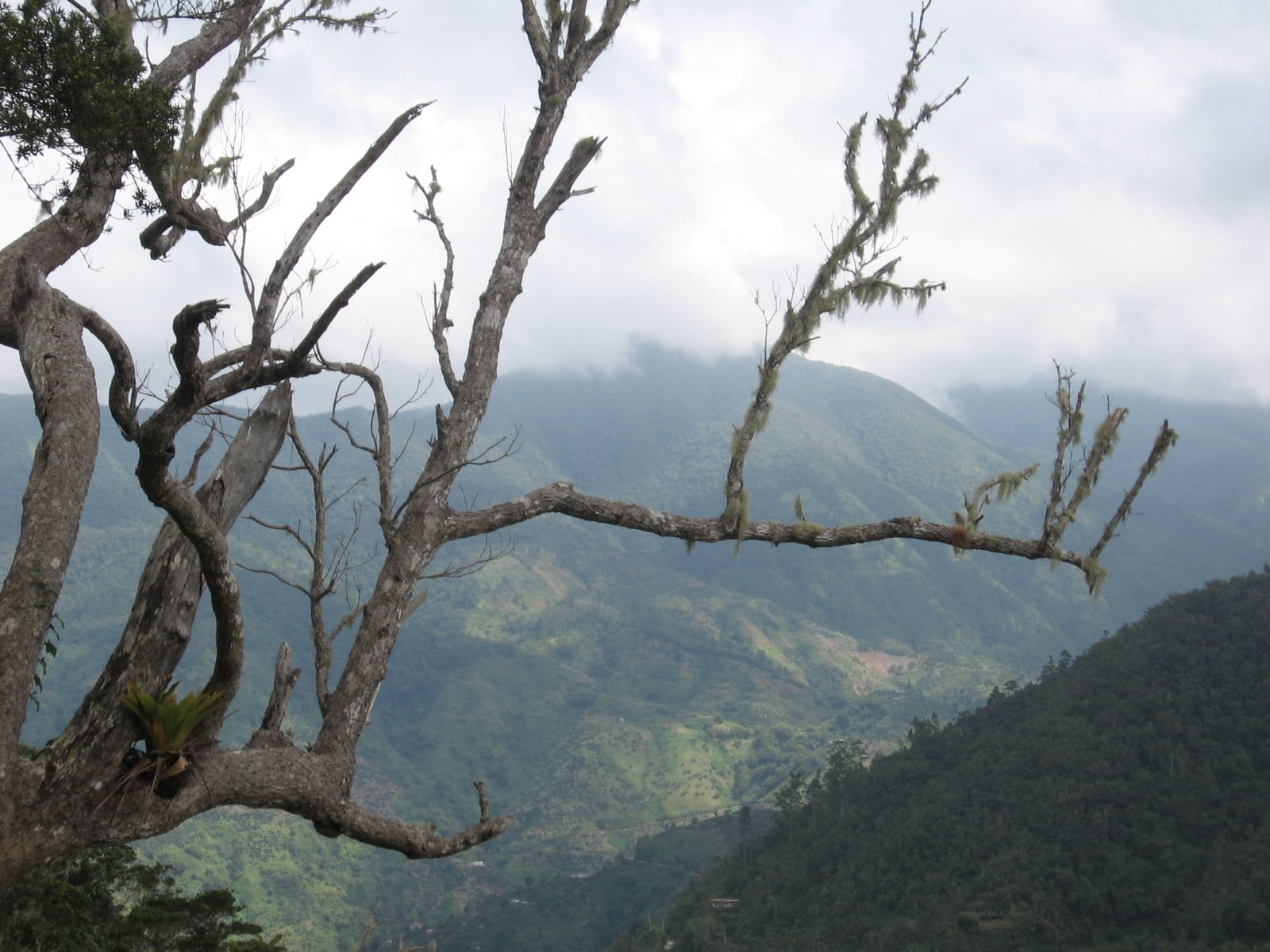
Jamaica’s Blue Mountains, photographed from the Oatley Mountain trail in 2007. Archival landscape image, not a current guided experience. Photo: Wolmadrian / Wikimedia Commons, public domain. No editorial alteration.
Nature, food, movement and local knowledge give the region a distinctive starting point. Building a credible visitor experience requires more than attaching “wellness” to the itinerary.
A Caribbean wellness holiday does not have to begin at a spa reception desk. It might involve time outdoors, a food experience connected to local agriculture or movement fitted into an otherwise ordinary holiday. The business opportunity is not simply to add more treatments. It is to make these experiences coherent, credible and worth returning for.
That distinction matters in a growing global category. The Global Wellness Institute estimates that worldwide wellness-tourism expenditure reached US$893.9 billion in 2024, compared with US$655.1 billion in 2019. Its 2025 monitor reports growth of 13.8 per cent between 2023 and 2024, against 9.6 per cent for tourism overall. Those are global estimates, not a measurement of Caribbean demand. GWI’s 2025 Global Wellness Economy Monitor, wellness-tourism chapter
For the Caribbean, the useful question is what to build within that opportunity—and what evidence would show that it is working.
Wellness can be part of a trip, not its entire purpose
GWI distinguishes between primary wellness travel, where wellbeing is the main reason for the journey, and secondary wellness travel, where a person includes wellness activities within a trip made for other reasons. Its definition includes domestic as well as international travel. It also distinguishes wellness tourism from medical tourism. GWI’s definition
That leaves room for a visitor who is not booking a dedicated retreat. A holiday can include a guided walk, a cooking experience or time set aside for movement without becoming a clinical programme. It also leaves room for residents travelling within their own country, rather than treating wellness as something designed only for an overseas guest.
For an operator, the practical implication is to design around the experience the person actually wants. A visitor looking for a quiet morning outdoors and a patient seeking medical care have different needs. Putting both beneath a broad “health and wellness” label does not make the standards interchangeable.
A landscape is a starting point, not a finished service
A 2019 Euromonitor study for the Compete Caribbean Partnership Facility, developed for tourism-diversification work involving the Caribbean Tourism Organization, identified natural surroundings and tranquillity among the region’s potential strengths. It also identified room for stronger product development and community participation. The same report found low interest in wellness activities among surveyed US tourists and recommended combining them with higher-interest experiences, such as traditional cuisine. Its wellness section drew on a survey of 42 US respondents and trade interviews: useful historical context from August 2019, not a current census of traveller preferences. Euromonitor research for CCPF, executive summary and wellness sections
The distinction between an asset and a service is still a useful one. A beautiful trail is not the same as a well-run guided walk. A food tradition is not the same as a clearly described visitor experience. Someone has to organise the route, explain what is included, plan for changing weather and communicate who the activity is suitable for.
These are editorial tests for a credible offer, not a claim that every operator currently meets them. They make the promise specific enough for a visitor to understand and a business to deliver.
Jamaica offers a documented example of organisation
Caribbean Front Desk launched at Half Moon in St James on May 30, 2025. Jamaica Information Service reported that the platform emerged from the Tourism Enhancement Fund’s 2023 Innovation Incubator Challenge and was intended to connect visitors with Caribbean health and wellness experiences. JIS launch report
The launch is evidence of an attempt to organise and present a category. It does not establish current booking volumes, the quality of each listed service or clinical outcomes. Those would require separate verification.
As a business example, it points to a useful problem: discovery. An experience cannot earn trust if a prospective visitor cannot establish what it involves, who provides it and what its claims mean. Better presentation can help answer those questions, but a platform should not be mistaken for independent proof of every promise made through it.
Local knowledge should remain attached to local people
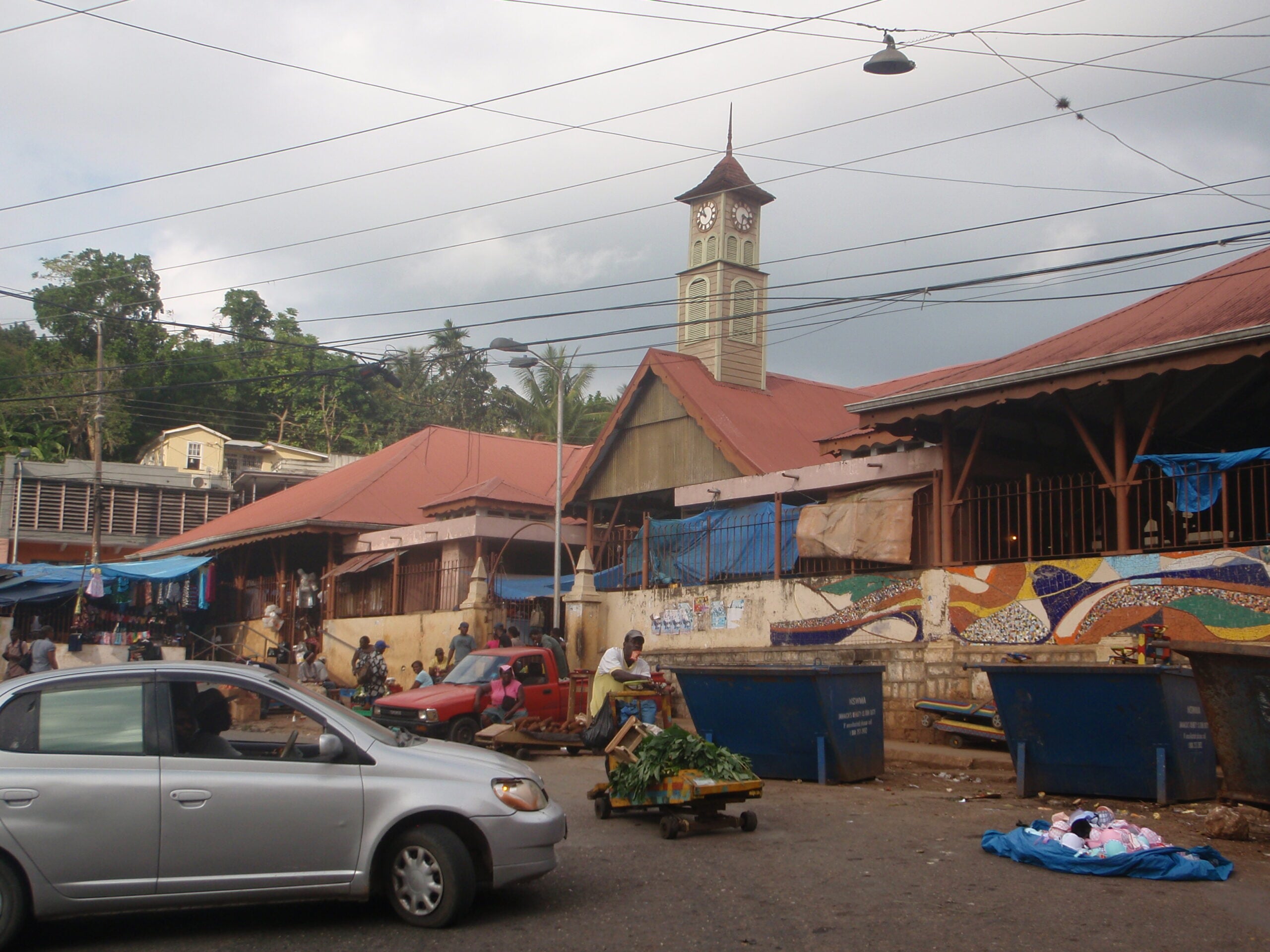
The strongest place-based experience is not made distinctive simply by adding a local ingredient to a familiar menu. It needs an honest account of where the practice comes from and who contributes to it.
For a business working with a practitioner, guide, cook or knowledge-holder, that means asking practical questions before turning a tradition into content. Has the person agreed to participate? How are they credited and paid? Are there parts of the practice they do not want recorded or reproduced? What has the business actually been given permission to claim?
These are proposed standards for responsible development, not a description of a particular community’s customs. An operator cannot assume that cultural familiarity supplies consent.
There is also a difference between describing an experience as culturally meaningful and claiming that it treats a disease. A compelling origin story is not clinical evidence. Where a service makes medical claims, the qualifications, relevant research and regulatory requirements need their own scrutiny. Tourism copy should not quietly turn tradition into a treatment guarantee.
Measure more than the category’s size
GWI’s 2025 report places 2024 wellness-tourism expenditure for Latin America and the Caribbean together at approximately US$41 billion. That regional grouping must not be relabelled a Caribbean-only market, still less a Jamaican one. GWI’s 2025 monitor
A global market estimate can explain why a sector attracts attention. It cannot tell a small business how many bookings it will receive. Nor can it show how much value stays in a community.
For an individual operation, more useful questions include whether visitors understand the experience before arriving, whether delivery matches the description and whether local collaborators benefit on agreed terms. Repeat bookings, complaints, cancellations and payments to local suppliers can illuminate different parts of that picture. They should not be collapsed into a single feel-good claim about growth.
This is where the regional opportunity becomes a business discipline. Clear information, dependable delivery and a credible relationship with place are less spectacular than a market-size headline. They are also things an operator can work on directly.
Build the experience before amplifying the promise
Wellness does not need to replace the Caribbean holiday. It can be one thoughtful part of it. But the case for development is strongest when it avoids pretending that every island offers the same experience, every traditional practice is a medical treatment or every visitor wants a retreat.
The opportunity beyond the resort spa is therefore not just a longer menu. It is a better connection between the people who hold the knowledge, the businesses organising the experience and the visitor deciding whether to trust it.
The landscape may attract attention. The quality of that connection determines what the destination can responsibly promise.