PEOPLE & ENTERPRISE / COLIN FRASER
A Second Chance,
Put to Work
Guyanese entrepreneur Colin Fraser is building a business in the legal cannabis industry after incarceration connected to the same plant. His work now reaches from delivery technology and second-chance enterprise to recovery efforts in Jamaica.
6 minute read · Written interview
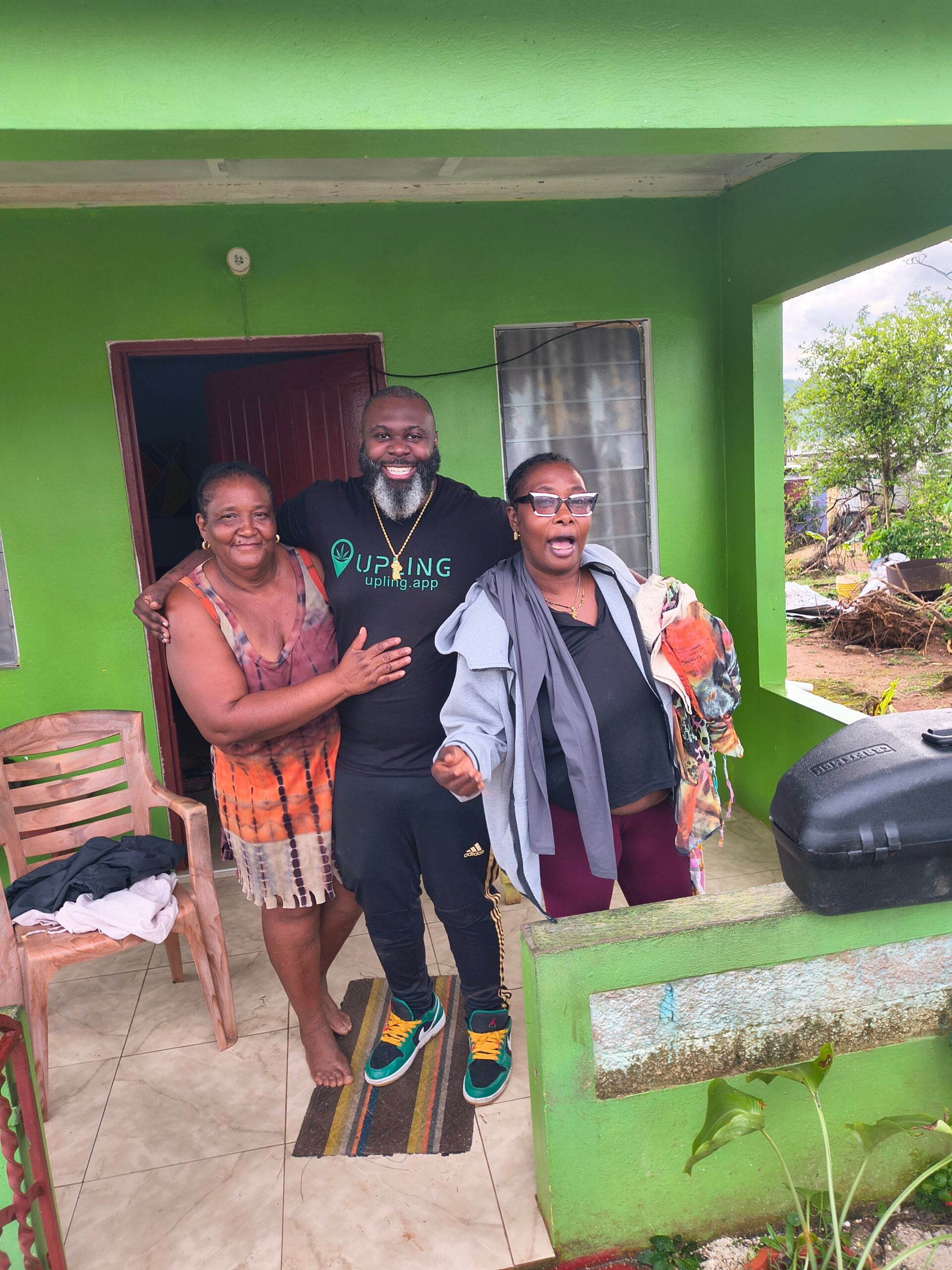
Colin Fraser knows what it is to have a past arrive before you do. He describes coming home from incarceration and finding that people could see what had happened to him more easily than what he might still become.
The Guyanese entrepreneur behind Upling says he was imprisoned on cannabis-related charges. He also speaks of surviving eight gunshots. Today, the plant associated with one of the hardest periods of his life is at the centre of the business he is building.
“The very industry connected to one of the most difficult chapters of my life has become a platform for creating opportunity for others.”
That reversal gives his story its force. But Fraser’s interests extend beyond his own recovery. Through Upling and From Grass to Grace, the organisation he founded, he is working on a question that follows people out of prison: what does a second chance allow someone to do?
For Fraser, the answer includes employment, practical business knowledge and the opportunity to earn trust. His ambitions now extend to Jamaica, where he describes helping organise hurricane relief and wants to support farmers and entrepreneurs beyond the immediate task of rebuilding.
Building a different route
The idea for Upling took shape during COVID, when delivery became an everyday answer to problems that had previously required leaving home. Fraser watched groceries, meals and prescriptions move through increasingly familiar digital platforms.
He kept thinking about people who found it difficult to get to a licensed dispensary: an older person who no longer drove, a veteran with limited mobility, a patient without the energy for the journey.
The opportunity was to connect eligible customers with participating licensed dispensaries, using technology to support ordering, driver coordination and tracking where delivery was permitted. The dispensary would remain a partner in the service.
“We weren’t trying to reinvent cannabis. We were trying to reinvent access.”
Turning that idea into a business meant developing software, establishing procedures, learning the regulations and persuading dispensaries to participate. Fraser describes starting without a large marketing budget or an established reputation. Relationships and the ability to demonstrate practical value had to carry the early work.
One milestone he recalls was growing from approximately 12 participating shops to 48 in Maryland. For him, that expansion mattered because it suggested dispensaries were beginning to take Upling seriously as a technology partner.
Growth brought another lesson: an industry can change the terms on which a business was built. Fraser describes the uncertainty faced by medical delivery operators as Maryland’s market expanded into adult use. He responded by engaging legislators, regulators and community leaders, making the case for delivery as a matter of access, employment and economic participation.
His account adds an operating perspective to a familiar cannabis-industry problem. Building the app is one undertaking. Keeping a business viable as regulation, finance and market conditions change is another.
What comes after release
Fraser’s understanding of exclusion comes from experience. After his own incarceration, he says, he worked in prison ministry in Maryland jails, meeting people whose abilities were easily overlooked.
He saw prospective business owners and people capable of taking responsibility for their families and communities. What they lacked was often a route towards those possibilities.
Employment became part of Upling’s mission. From Grass to Grace broadened that work into entrepreneurship education through its Resident Entrepreneurship Program, known as REP. Fraser describes a combination of financial literacy, mentoring, business planning and connections to community resources.
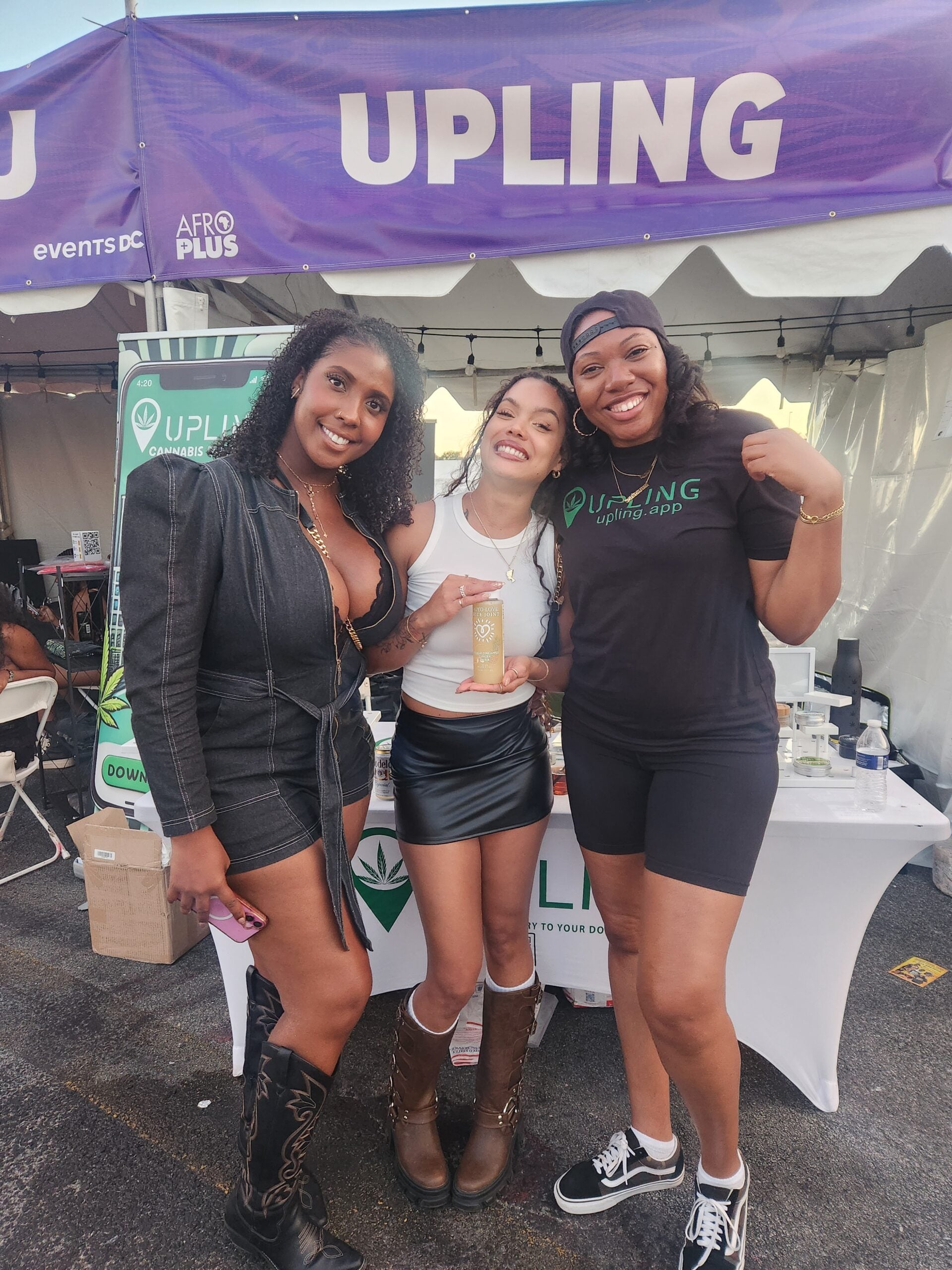
Upling at an industry event.
The tasks are practical: understanding how to register a business, prepare a plan, manage money and present an idea. They are also the kinds of tasks that can stand between someone having an ambition and knowing how to act on it.
“Sometimes people don’t need someone to rescue them. They need access, guidance, and a genuine opportunity to show what they can accomplish.”
That emphasis gives the second-chance language something useful to rest on. A job can provide an income. Learning to organise a business can help someone make decisions about a longer-term livelihood. Fraser wants room for both.
The work in Jamaica
Hurricane Melissa brought another rebuilding effort into focus. Fraser describes watching the damage to Jamaican communities and thinking particularly about small farmers, whose crops, equipment and homes could represent years of work and a family’s security.
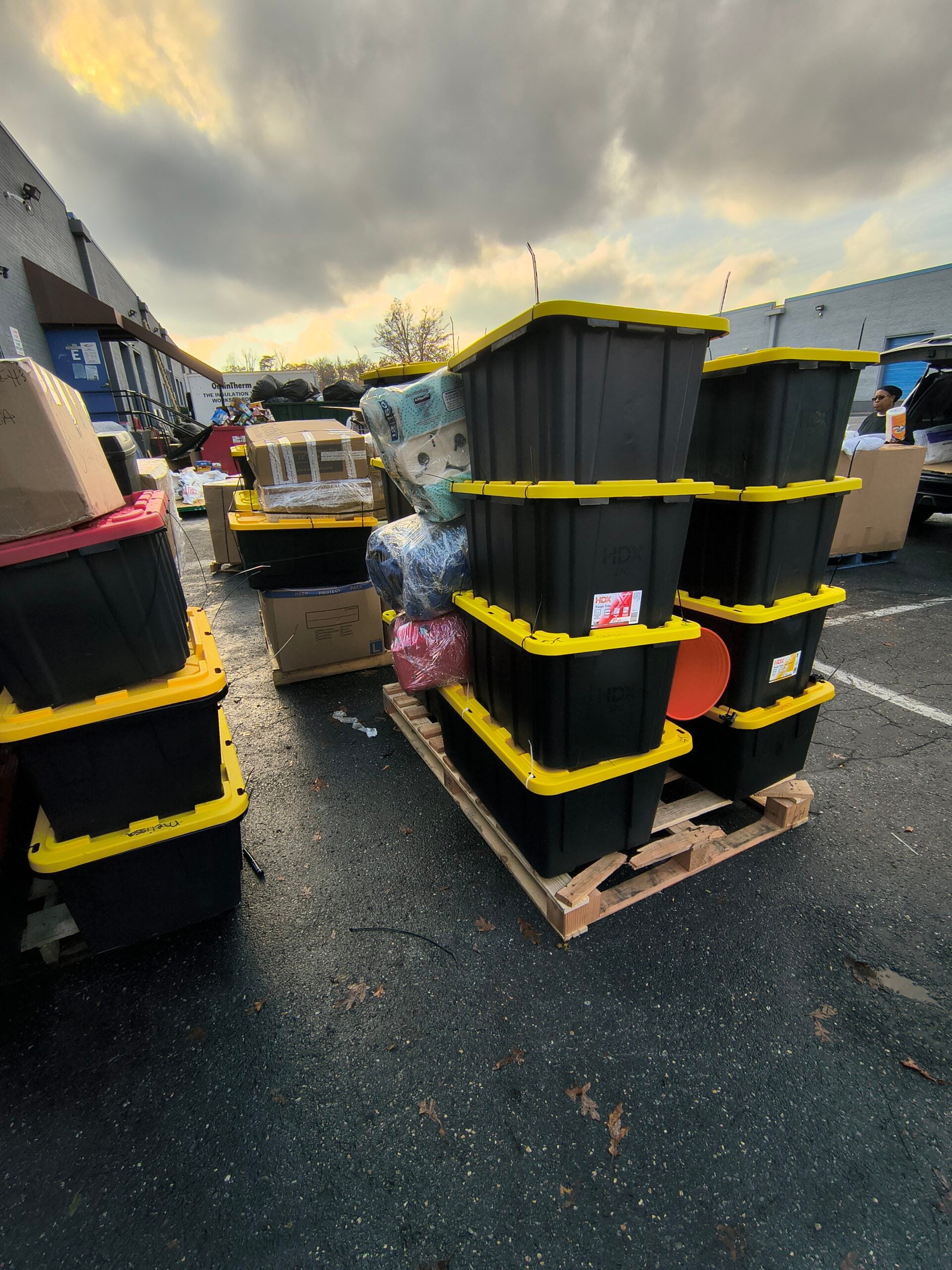
Supplies prepared for Jamaica’s recovery effort.
Through From Grass to Grace, Upling and supporters, he says he helped organise more than 150 bins of supplies for hurricane-affected communities in Jamaica. He lists tarpaulins, hammers, nails, PVC piping, food and hygiene supplies among the materials involved.
The range reflects the overlap between household recovery and the work of restoring a livelihood. A family needs somewhere safe to live; a farmer also needs the means to protect what remains and begin producing again.
For Fraser, listening is part of that work. The immediate needs of one household may differ considerably from those of the next. His longer-term interest is in what follows the emergency supplies: tools, business knowledge, access to finance and the ability to reach a market.
“Relief helps people get through today. Opportunity helps them rebuild tomorrow.”
That is where his community work meets his business experience. He sees opportunities for Jamaican growers to use digital tools to manage inventory, track crops, improve operations and connect with licensed buyers. He also wants entrepreneurship training to help people understand the business surrounding their production.
Those are ambitions he wants to develop with partners in agriculture, education, technology and investment. The common thread is ownership: farmers and entrepreneurs having more of the knowledge and tools needed to build businesses of their own.
More than a personal comeback
Upling’s next chapter includes Bud-E, an initiative Fraser describes as combining cannabis education, product information and personalisation. It forms part of a broader interest in what technology can contribute to a regulated industry.
His plans for Jamaica are wider than an app. He wants to bring business education, digital tools and relationships into the work of recovery, helping people move from replacing what was lost towards building a dependable livelihood.
“I don’t just want to do business in Jamaica. I want to help build businesses in Jamaica.”
It is a useful distinction for an industry in which cultural recognition has not always translated into economic opportunity for the people closest to the plant. Fraser’s own experience has made him attentive to the distance between being told an opportunity exists and having a practical way to take it.
The task he has set himself reaches beyond his personal comeback: help someone prepare a business plan, find a route into work or put a damaged farm back on its feet. Those are the places where a second chance begins to become useful.
ADVERTISEMENT
A DECADE OF CONNECTIONS

Caribbean Wellness
Conference & Expo
Summit Kingston
Kingston, Jamaica