The CLA: The Next Chapter
The CLA chief on small farmers, Jamaican ownership and the next phase of Jamaica’s regulated cannabis industry.
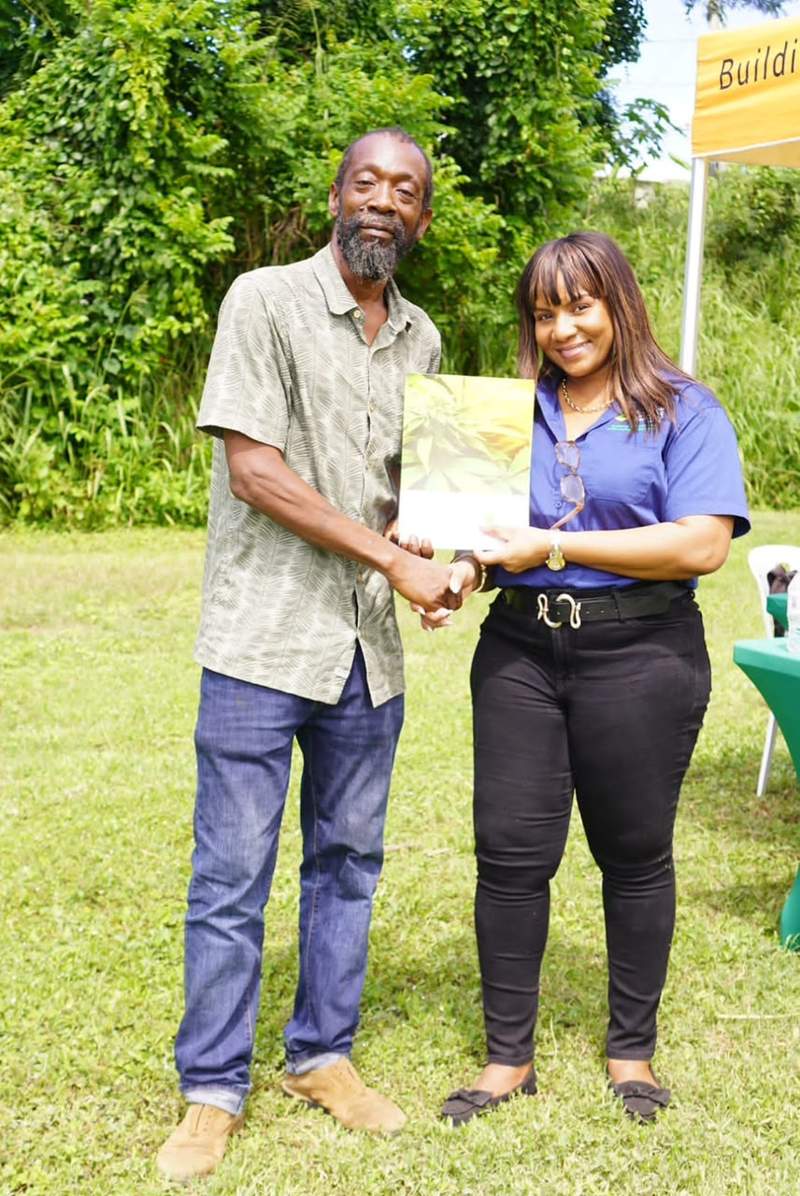
Jamaica’s international ganja reputation is an asset. For Farrah Blake, chief executive officer of the Cannabis Licensing Authority, the next task is to turn that recognition into businesses, jobs and lasting benefits for Jamaican communities.
Blake describes an industry that has built a regulated framework since the 2015 reforms, while still needing to widen participation and develop sustainable markets. The framework covers cultivation, processing, transport, retail, and research and development.
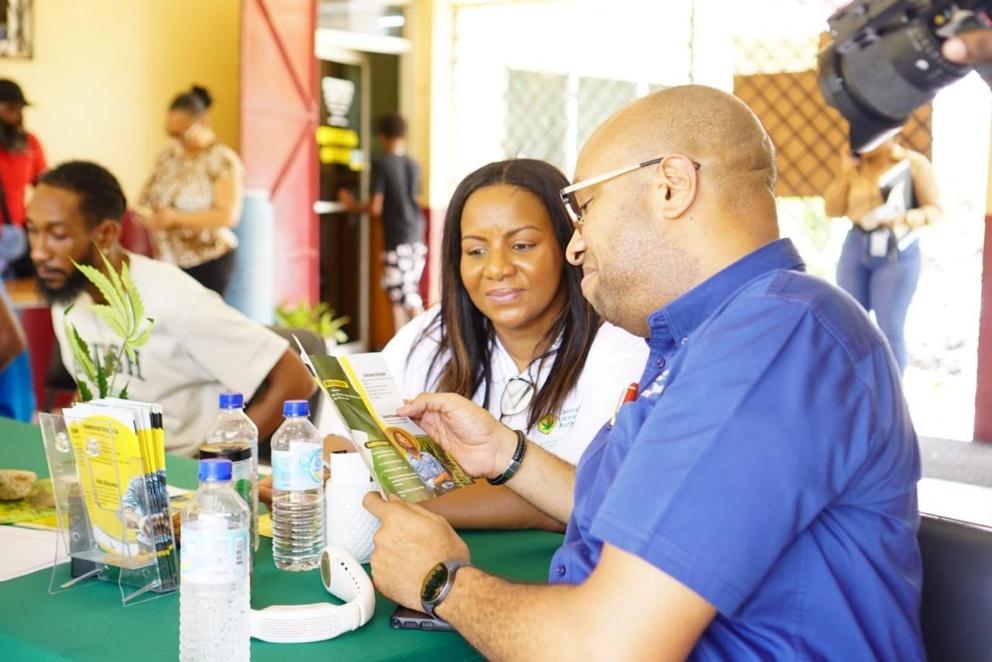
Her assessment reaches beyond the farm. Jamaica, she argues, needs to move beyond “viewing cannabis primarily as a cultivation opportunity” and give more attention to medicinal products, manufacturing, research, innovation and value-added products.
That requires more than a recognised name. Blake points to the business environment, effective regulation and collaboration among government, investors, operators and research institutions. Her emphasis is on building an industry capable of retaining more value, from growing and processing through product development and international distribution.
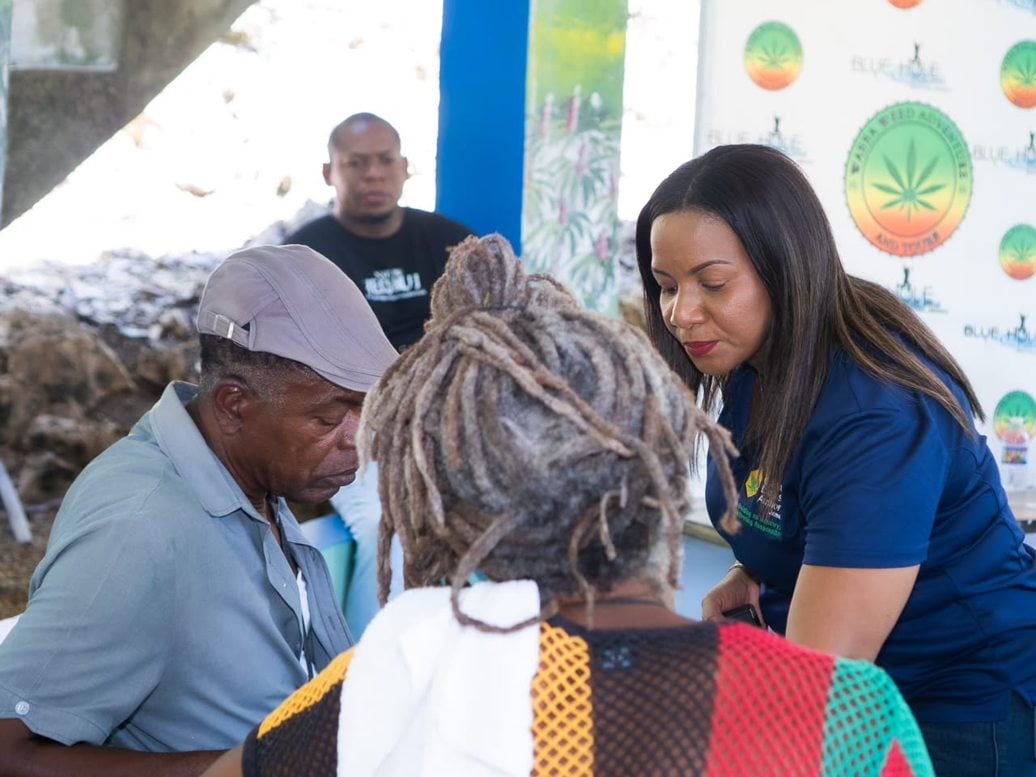
FARRAH BLAKE
For Blake, opening the industry to more Jamaicans also depends on how government helps people do business. She points to Minister of Industry, Investment and Commerce Aubyn Hill’s push to bring more participants into the regulated sector and move applications through the licensing process more quickly.
She credits Hill’s emphasis on getting the Ministry’s agencies working together with making practical aspects of running a cannabis business easier, from business registration and cannabis testing to intellectual property registration.
A place for traditional growers
Traditional growers and smaller Jamaican operators are central to that next chapter. Blake describes the CLA’s Special Permit Programmes as an effort to make participation more realistic for people who have long been connected to the plant but face barriers to entering the regulated industry.
The CLA launched two Medical Cannabis Special Permit programmes in April 2026. Its announced community route allows eligible groups organised under a registered entity to cultivate on up to ten acres. The Cultivator’s (Transitional) Special Permit gives individual traditional growers a two-year period to build towards Tier One requirements. At the launch, Blake said neither permit attracts a CLA fee. The authority’s July update describes simplified community requirements and phased compliance for individual growers.
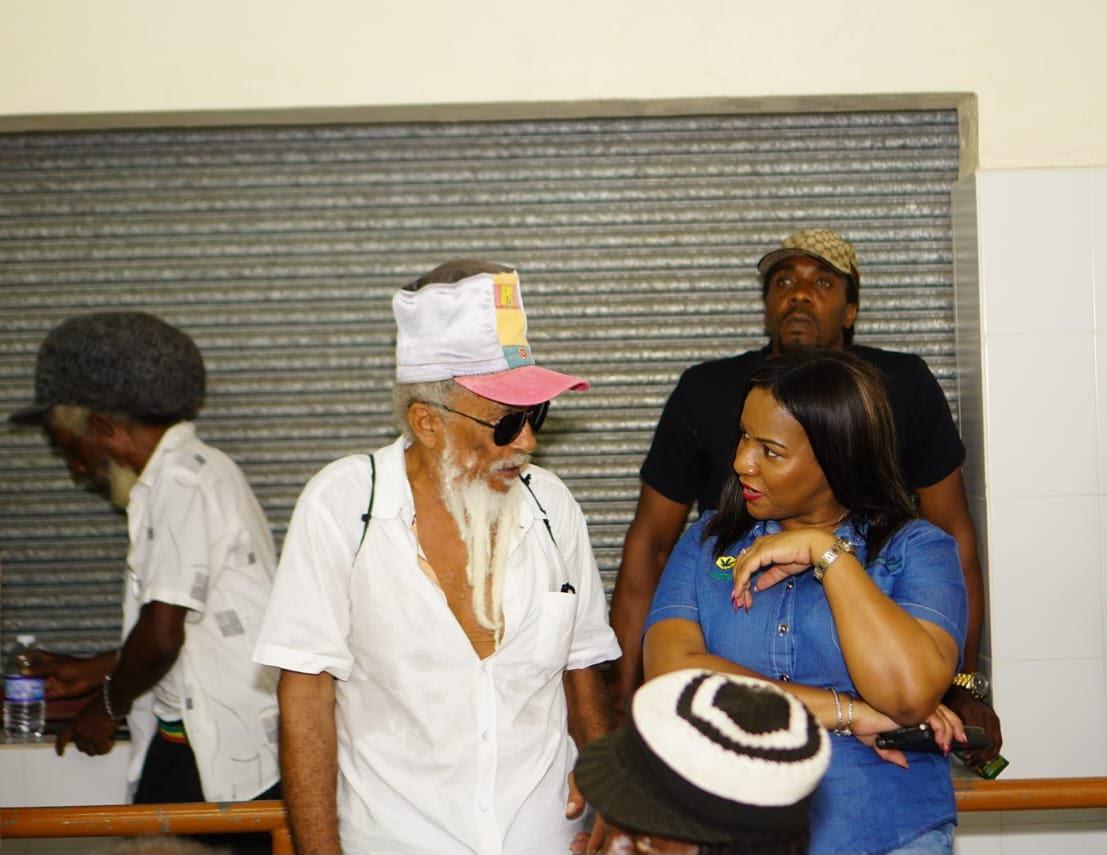
The Authority’s road tour takes information and application support into communities.
FARRAH BLAKE
Culture belongs in the conversation
Blake places Rastafari, traditional farming communities and Jamaica’s wider cultural heritage within this discussion. She calls for cultural knowledge to be protected, Rastafari rights and traditions to be respected, and public education to reflect the plant’s historical and cultural significance alongside its commercial uses.
The next test
Looking five to ten years ahead, Blake sees opportunities in medicinal products, research, development and responsible investment. She also envisages technology improving regulatory efficiency while maintaining public-health, safety and compliance standards.
Her ambition is an industry that supports Jamaican entrepreneurship, meaningful employment and lasting community benefits. Those are the outcomes she wants Jamaica’s international reputation to deliver in the years ahead.
Keep reading
ADVERTISEMENT
A DECADE OF CONNECTIONS

Caribbean Wellness
Conference & Expo
Summit Kingston
Kingston, Jamaica