
- Home/
- Buy Ivermectin in Online Pharmacy for United Kingdom Customers
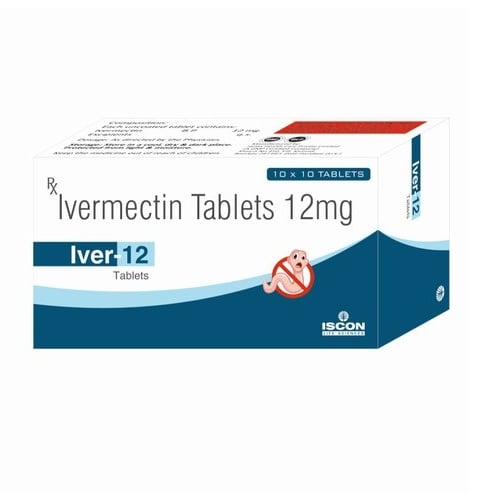
Ivermectin in the United Kingdom: Comprehensive Medical Guide (2026)
Can Ivermectin be Purchased Without a Prescription in the UK?
No, Ivermectin cannot be purchased without a prescription in the United Kingdom. It is classified as a prescription-only medicine (POM) under current MHRA (Medicines and Healthcare products Regulatory Agency) regulations. Buying or possessing Ivermectin without a prescription is illegal and potentially dangerous.
Key Takeaways: Ivermectin in Brief
- Active Ingredient: Ivermectin
- Main Use in UK: Treatment of certain parasitic infections (e.g. strongyloidiasis, onchocerciasis, scabies, some cases of head lice)
- Prescription Required? Yes – by law, a valid prescription from a UK-registered healthcare professional is mandatory
- Onset of Effect: Usually within hours to a few days depending on condition
- Main Contraindication: Allergy to Ivermectin; not recommended in children under 15 kg or those with certain neurological disorders
- Legal Online Supply: Only via UK-registered pharmacies with valid prescription; beware of unregulated sites
How Does Ivermectin Work? Mechanism and Action Explained
Ivermectin is an antiparasitic agent belonging to the avermectin class. It exerts its effect by binding selectively with high affinity to glutamate-gated chloride ion channels present in invertebrate muscle and nerve cells, particularly those of nematodes and arthropods.
This binding increases the permeability of the cell membrane to chloride ions, leading to hyperpolarisation of the nerve or muscle cell, resulting in paralysis and death of the parasite. In mammals, these glutamate-gated chloride channels are not present, and Ivermectin has a significantly lower affinity for other mammalian ligand-gated chloride channels, which partly explains its safety profile at recommended doses.
Simplified metaphor: Imagine parasites have ‘doors’ that control electrical signals. Ivermectin wedges these doors open, flooding the cell with signals and shutting down the parasite’s nervous system—while human ‘doors’ stay mostly unaffected.
Ivermectin does not work against viruses or bacteria and has not been approved for the treatment or prevention of COVID-19 or similar viral illnesses in the UK as of 2026 (MHRA).
Expert Commentary from Doctor
In clinical practice, I often remind patients that the effectiveness of Ivermectin relies on using the correct dose for the specific parasite being treated. A common pitfall is attempting to self-adjust the dose, especially after reading online forums. It’s crucial to follow prescribed regimens because underdosing can lead to persistent infection, while overdosing increases the risk of neurotoxicity. Additionally, some patients mistakenly believe Ivermectin is effective for viral infections—this is not supported by current scientific evidence and can lead to dangerous self-medication. If you have any doubts, always consult your clinician before taking or repeating a dose.
How Should I Take Ivermectin? Dosage and Administration in the UK
Dosage depends on the specific parasitic infection, patient weight, and individual health status. Below is a general overview—always follow your doctor’s instructions:
- Standard Dose (Adults): 150–200 micrograms per kilogram, taken as a single dose. For example, a 70 kg adult would typically receive 12–14 mg in total.
- Repeat Dosing: For some infections (e.g., strongyloidiasis), a single dose may be sufficient. For scabies or onchocerciasis, a repeated dose after 1–2 weeks may be advised.
- Children: Not recommended under 15 kg body weight or under 5 years of age (unless under specialist advice).
- Maximum Dose: Usually not to exceed 200 micrograms/kg per dose; higher doses may increase risk of neurological toxicity.
- Splitting Tablets: Some formulations can be split, but this is brand-dependent—always check the patient leaflet or confirm with your pharmacist.
- Timing: Take on an empty stomach with a glass of water for optimal absorption unless otherwise directed.
Ivermectin is usually a short-course therapy, not a daily medication. Duration and repeat dosing are dictated by your diagnosis and response to treatment.
Does Food, Alcohol, or Lifestyle Affect Ivermectin?
- Fatty Meals
- Taking Ivermectin with fatty foods increases absorption and may raise blood levels by up to 2.5 times. For most indications, it is recommended to take Ivermectin on an empty stomach, at least 1 hour before or 2 hours after eating (EMC).
- Alcohol
- No direct interaction at low to moderate consumption, but alcohol is best avoided during therapy as both can affect liver metabolism. If you have liver disease or are taking other hepatically metabolised drugs, be especially cautious.
- Grapefruit Juice
- Not specifically studied, but as Ivermectin is metabolised by the liver enzyme CYP3A4, grapefruit juice could theoretically increase blood levels—avoid concurrent use to reduce the risk of side effects.
- Other Lifestyle Factors
- No known interaction with exercise or routine activities. However, if you experience dizziness or drowsiness, do not drive or operate machinery.
Bottom line: Take Ivermectin with water on an empty stomach, and avoid grapefruit juice and heavy alcohol during treatment.
Who Should Not Take Ivermectin? Contraindications and Cautions
| Absolute Contraindications | Relative Contraindications (Use With Caution) |
|---|---|
|
|
Why? Ivermectin can cross the blood-brain barrier at high concentrations or in certain genetic populations, leading to neurotoxicity, especially if the blood-brain barrier is compromised (e.g., in meningitis). In Loa loa infection, rapid killing of microfilariae can trigger life-threatening brain inflammation.
What Side Effects are Most Common with Ivermectin?
| Frequency | Side Effect | Mechanism | What to Do |
|---|---|---|---|
| Very Common (>1/10) | Headache, dizziness, muscle pain | Due to parasite die-off, minor CNS effect | Usually self-limiting; rest, hydration |
| Common (>1/100) | Nausea, diarrhoea, mild fever, itching, rash | Parasite die-off, immune reaction | Monitor; consult if severe or persistent |
| Rare (>1/10,000) | Low blood pressure, severe skin reaction, vision changes | Idiosyncratic or allergic response | Seek medical attention |
| Very Rare (<1/10,000) | Severe neurological symptoms (seizure, confusion, loss of consciousness) | High dose, blood-brain barrier compromise | Stop medication and call 999 |
If you develop breathing difficulties, swelling of the face or tongue, confusion, or seizures, seek emergency help immediately. For milder side effects, discuss with your GP or pharmacist.
Common Patient Mistakes Observed by Doctor
-
Taking Ivermectin for Viral Infections (e.g. COVID-19)
Problem: No proven benefit and possible harm; can delay correct treatment.
How to avoid: Only use Ivermectin for conditions your doctor has diagnosed. -
Purchasing from Unregulated Websites
Problem: High risk of counterfeit, wrong dose, or contaminated product.
How to avoid: Buy only from UK-registered pharmacies after obtaining a prescription. -
Incorrect Dosing (Splitting or Crushing Tablets Without Checking)
Problem: Some tablets are not designed to be split and may dose unevenly.
How to avoid: Ask your pharmacist if splitting is allowed for your brand. -
Not Finishing the Prescribed Course
Problem: Risk of incomplete treatment or parasite resistance.
How to avoid: Take exactly as prescribed, even if you feel better. -
Consuming with Heavy/Fatty Meals
Problem: May unintentionally increase absorption and side effects.
How to avoid: Take on an empty stomach unless directed otherwise. -
Ignoring Drug Interactions
Problem: Risk of adverse reactions with other medications (especially CYP3A4 inhibitors).
How to avoid: Tell your doctor and pharmacist about all medicines you take.
Ivermectin Compared to Alternatives: Table and Insights
| Medication | Main Use | Onset | Duration | Common Side Effects | Estimated Price/Tablet (GBP) |
|---|---|---|---|---|---|
| Ivermectin | Parasitic infections (nematodes, scabies, lice) | Hours–days | Single or repeated dose, long-acting | Headache, dizziness, GI upset, rash | £3–£8 (generic, private prescription) |
| Albendazole | Broad-spectrum antihelminthic | Days | Daily for 1–3 days (longer for some infections) | GI upset, liver enzyme changes, hair loss (rare) | £2–£6 |
| Mebendazole | Pinworm, whipworm, roundworm infections | 1–2 days | Single or 3-day course | GI upset, rare allergic reactions | £1–£3 |
Commentary: Ivermectin is especially valuable for scabies and certain “hard to treat” parasitic infections where mebendazole and albendazole are less effective. However, it is typically more expensive and requires prescription in the UK. Albendazole is preferred for tapeworms and hydatid disease. Always consult your clinician for the best choice for your situation.
Questions Frequently Asked to Doctor
-
Is it safe to take Ivermectin if I’m on other medications?
Many medicines interact with Ivermectin, especially those affecting liver enzymes (CYP3A4). Always provide a full medication list to your doctor or pharmacist, including herbal supplements. -
What if I miss a dose?
If you remember within a few hours, take the missed dose unless it’s close to the next scheduled dose. Do not double up. Contact your doctor if unsure. -
Can I drink alcohol while taking Ivermectin?
Light alcohol is not strictly contraindicated, but best avoided due to liver stress and potential for side effects. -
Can Ivermectin be used for prevention (prophylaxis)?
Ivermectin is not licensed for prophylactic use in the UK. Only use as advised by a healthcare professional. -
Is Ivermectin safe for pregnant or breastfeeding women?
It should be avoided unless benefits outweigh risks—discuss with your doctor if you are pregnant or breastfeeding. -
Will it affect my ability to drive?
Some people experience dizziness or drowsiness. If affected, do not drive or operate heavy machinery until you feel fully alert. -
How long does it take to work?
Most symptoms improve within 24–72 hours, but this varies with the infection and severity.
Ivermectin: Key Characteristics Table (UK Specific)
| Parameter | Value |
|---|---|
| Active Substance | Ivermectin |
| Therapeutic Category | Antiparasitic (Avermectin class) |
| Standard Adult Dose | 150–200 mcg/kg (single dose) |
| Formulations Available in UK | Tablets (3 mg, 6 mg), topical lotion (for lice/scabies) |
| Metabolism | Liver (CYP3A4 enzyme) |
| Elimination | Primarily faecal (minimal renal) |
| Plasma Half-life (T1/2) | ~12–36 hours |
| Legal Status UK (2026) | Prescription-only |
| Pregnancy Category | Not recommended (unless specialist advice) |
How to Obtain Ivermectin Legally in the United Kingdom: Step-by-Step Guide
- Consultation with a Healthcare Professional: Book an appointment with your GP or an infectious disease specialist in your city (e.g., London, Manchester, Glasgow).
- Diagnosis and Assessment: The clinician will confirm if Ivermectin is appropriate for your condition (e.g., scabies, strongyloidiasis).
- Prescription Issued: If indicated, you’ll receive a prescription—paper or electronic (EPS) in England, Scotland, Wales, or Northern Ireland.
- Dispensing at Pharmacy: Present your prescription at a UK-registered community or online pharmacy displaying the official MHRA “distance selling” logo.
- Telemedicine Option: Some regulated online services offer remote consultations with UK-registered prescribers, who can issue valid electronic prescriptions for dispensing by a UK pharmacy.
- Always Verify: Ensure the pharmacy is on the GPhC Register and carries the MHRA-approved logo.
Is It Legal to Buy Ivermectin Online in the UK? Risks and Regulations
Only UK-registered pharmacies with valid prescriptions can legally dispense Ivermectin in the UK. The MHRA mandates the “distance selling” logo on all legitimate online pharmacy sites (MHRA guidance).
- Never buy from sites that do not require a prescription or offer suspiciously low prices—these are often sources of counterfeit or substandard products.
- Purchases from outside the UK may be seized by customs, and you could face prosecution.
Remember: The prescription system is designed for your safety, ensuring the correct diagnosis, dosing, and product authenticity.
Counterfeit Ivermectin: How to Identify and Stay Safe
- Check Packaging: UK-licensed Ivermectin products have clear, professionally printed packaging in English, stating the product licence number (PL), manufacturer, strength, and batch number.
- Look for Security Features: Holograms, tamper-evident seals, and QR codes (where applicable)—these should scan back to the manufacturer or the MHRA.
- Tablet Appearance: Genuine tablets are white/off-white, round or oval, and may be engraved with the manufacturer’s code. Discolouration or uneven markings are a red flag.
- Price Too Low? If the price is far below £3–£8 per tablet, it may be counterfeit or imported illegally.
- Source: Always purchase from a pharmacy registered with the General Pharmaceutical Council (GPhC).
Generics: Approved by the MHRA and must meet the same quality standards as branded products. Differences are limited to inactive ingredients (excipients), which could cause allergies in sensitive individuals—ask your pharmacist for the excipient list if concerned.
Ivermectin Compatibility Check: Table of Common Interactions
| Product/Drug | Can it be combined? | Potential Consequence |
|---|---|---|
| Paracetamol | Yes | No significant interaction expected |
| Ibuprofen | Yes | Safe for short-term use |
| Warfarin | Caution | May enhance anticoagulant effect—monitor INR |
| Macrolide antibiotics (e.g., clarithromycin) | No | Increased Ivermectin levels—avoid unless advised |
| Carbamazepine | No | May lower Ivermectin concentration |
| Alcohol | Minimise | Potential liver strain/side effects |
| Other antiparasitics (e.g., albendazole) | Yes | Sometimes co-prescribed—medical supervision needed |
| Grapefruit juice | No | Possible increased toxicity |
Special Considerations: Elderly, Chronic Illness, Driving & Fertility
- Elderly: No specific dose adjustment needed, but increased sensitivity to neurological side effects observed—monitor carefully.
- Patients with Chronic Liver Disease: Ivermectin is mainly metabolised in the liver. Dose adjustment or alternative therapy may be necessary in moderate to severe hepatic impairment.
- Renal Impairment: Minimal renal clearance; no routine dose change required, but limited data in advanced kidney failure.
- Driving: Avoid driving or hazardous activities if you feel dizzy, lightheaded, or drowsy after taking Ivermectin.
- Fertility and Family Planning: No evidence of significant impact on fertility in humans. Animal studies have not shown teratogenic effects at standard doses, but avoid use in pregnancy unless strictly necessary.
What if I Overdose on Ivermectin? Emergency Actions
- Stop taking Ivermectin immediately.
- Call NHS 111 or, if severe symptoms (confusion, seizures, breathing difficulty), dial 999 for emergency services.
- Report the amount and timing of the dose to the healthcare provider.
- Do not attempt to induce vomiting unless instructed by a medical professional.
- Bring the medication packaging with you for reference.
Symptoms of overdose: Nausea, vomiting, muscle tremors, confusion, seizures, low blood pressure. Severe cases require hospitalisation.
What to Do If Ivermectin Does Not Work?
If your symptoms persist after completing the prescribed course, do not repeat the dose without medical advice.
- Contact your GP or specialist for reassessment.
- Further diagnostic tests may be needed—resistance or misdiagnosis are possible.
- Alternative therapy or supportive measures may be considered.
Never self-medicate with additional doses as this can increase risk of toxicity.
Psychological Support and Empathy for Patients
It’s completely understandable to feel anxious or frustrated if you require antiparasitic therapy. Many people in the UK experience similar conditions—you’re not alone. If your symptoms are affecting your mental well-being, consider discussing your feelings with your GP, a counsellor, or trusted loved one. Most parasitic infections are manageable with modern treatments and supportive care.
Original vs Generic Ivermectin: Pros, Cons, and Excipients
Original brands (such as Stromectol®) and generics contain the same active ingredient (Ivermectin) and must meet MHRA quality standards. Generics are often more affordable (~£2–£5 per tablet in 2026), while originals may cost more due to branding or additional quality assurance.
- Excipients: These are inactive substances that give the tablet its shape and stability. Some people may be allergic to certain excipients—always check with your pharmacist if you have known sensitivities.
- Effectiveness: No meaningful difference between approved generics and original brands in terms of efficacy or safety.
- Vigilance: Always ensure the generic you receive is licensed for use in the UK and dispensed by a registered pharmacy.
Professional Opinion of Doctor
As a practicing physician in the UK, I find Ivermectin invaluable for select parasitic infections—particularly where resistance to other treatments is growing, such as in scabies outbreaks in care homes. Its established safety profile and simple dosing make it an attractive choice for otherwise healthy adults. The key benefit lies in its broad efficacy for nematodes and external parasites.
However, Ivermectin is not a cure-all. It is ineffective for viral infections and should not be used as a “just in case” remedy. In patients with liver impairment, pregnant women, or those on complex medication regimens, the benefit-risk balance requires careful discussion. For most parasitic infections, alternatives like albendazole or topical therapies may be preferable depending on the individual’s medical history.
Bottom line: When used under proper medical supervision, Ivermectin is safe, effective, and can dramatically improve quality of life for patients with confirmed parasitic infections in the UK.
Frequently Asked Questions (UK-Specific)
- Is Ivermectin available over the counter in the UK?
No, it is prescription-only and must be dispensed by a registered pharmacy. - Does Ivermectin treat or prevent COVID-19?
No, there is no evidence for effectiveness against COVID-19. It is not approved for this use in the UK. - Can I get Ivermectin through an online consultation?
Yes, but only via regulated telemedicine providers with UK-registered prescribers. Unregulated websites are illegal and unsafe. - What’s the usual price per tablet in the UK?
Between £3 and £8 per tablet for generic forms, depending on supplier and prescription status. - Do I need to fast before taking Ivermectin?
Take it on an empty stomach for best absorption, unless told otherwise by your doctor. - Is it safe for children?
Generally not recommended under 15 kg or 5 years old unless under specialist care. - What are signs of a counterfeit product?
Unusual packaging, low price, no UK licence number, or sold without prescription—avoid and report to the MHRA. - Can Ivermectin be used daily?
No, it is usually given as a single or repeated dose, not for daily use.
References & Sources
- Medicines and Healthcare products Regulatory Agency (MHRA), official website. https://www.gov.uk/government/organisations/medicines-and-healthcare-products-regulatory-agency
- British National Formulary (BNF), Ivermectin monograph. Accessed June 2026. https://bnf.nice.org.uk/
- Medicines.org.uk (EMC), Ivermectin Summary of Product Characteristics. https://www.medicines.org.uk/emc/
- NHS, guidance on treating scabies and parasitic infections. https://www.nhs.uk/
- PubMed – Recent reviews and clinical studies on Ivermectin safety (2024–2026). https://pubmed.ncbi.nlm.nih.gov/
- European Medicines Agency (EMA), Ivermectin scientific discussion. https://www.ema.europa.eu/
- General Pharmaceutical Council (GPhC) Pharmacy Register. https://www.pharmacyregulation.org/registers/pharmacy