
- Home/
- Buy Neurontin in Online Pharmacy – Fast Delivery in United Kingdom
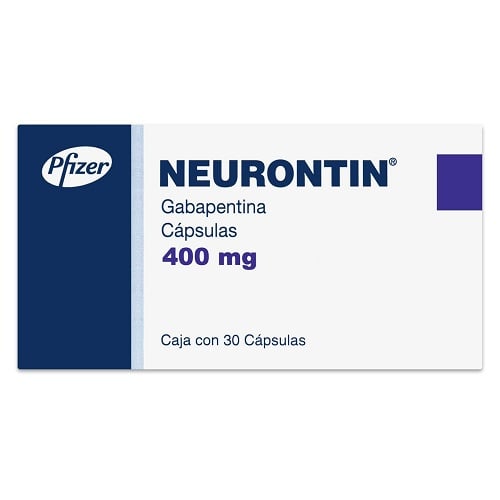
| Product Name | Neurontin |
|---|---|
| Main Substance | Gabapentin |
| Intended Use | Neuropathic Pain Management |
| Strengths on the Market | 100 mg, 300 mg, 400 mg, 600 mg, 800 mg |
| How Quickly It Starts Working | Within 1–2 weeks of regular use for pain relief |
| How Long Relief Lasts | Typically 8–12 hours per dose |
| How Often Taken | Usually 2–3 times daily |
| Prescription Needed? | Yes, in the United Kingdom |
| Generic Options in the UK | Yes—multiple manufacturers supply generic Gabapentin |
Neurontin for Neuropathic Pain: Decision Guide – United Kingdom
Neurontin, containing gabapentin as its active component, is a prescription-only medicine used to treat neuropathic pain. If you are dealing with pain that feels like burning, tingling, or shooting sensations, especially after nerve injury or certain medical conditions, Neurontin may be considered as a treatment option in the UK. It is licensed and regulated by the Medicines and Healthcare products Regulatory Agency (MHRA) and is available both as a branded product and in generic forms.
Living with Neuropathic Pain: You Are Not Alone
Neuropathic pain, often described as nerve pain, is a persistent and sometimes debilitating condition. It goes beyond simple aches, causing sensations such as electric shocks, pins and needles, or hypersensitivity to touch. According to the National Institute for Health and Care Excellence (NICE), neuropathic pain affects up to 8% of adults in the United Kingdom at some point in their lives (NICE, 2020). This means that millions experience symptoms similar to yours—arising from conditions like diabetes, shingles (postherpetic neuralgia), back problems, or following surgery or injury. The good news is that effective treatments exist, and with the right approach, neuropathic pain can often be brought under control.
How Neurontin Alleviates Nerve Pain: From Nerve Signals to Symptom Relief
Neurontin (gabapentin) offers relief by targeting the abnormal nerve activity responsible for neuropathic pain. Instead of working directly on the pain receptors—as is common with traditional painkillers—it modulates the transmission of electrical signals in the nervous system. Specifically, gabapentin binds to certain channels on nerve cells (known as voltage-gated calcium channels). This reduces the release of neurotransmitters—chemicals that transmit pain signals—thereby calming overactive nerves.
- Physiological mechanism: By dampening excessive nerve firing, Neurontin interrupts the cycle of ongoing pain signals sent to the brain.
- Practical result for you: Over days to weeks, you should notice a gradual reduction in pain intensity, fewer shooting or burning sensations, and improved overall comfort. For most, the first improvements are felt within the initial two weeks of consistent dosing, but maximum benefit may take several weeks.
Unlike some analgesics, gabapentin does not cause classic opioid-like sedation or euphoria, which means it’s often suitable for longer-term use when monitored appropriately.
Is Neurontin Right for Me? Practical Scenarios Table
| Your Situation | Recommended Approach | Why This Option |
|---|---|---|
| You have ongoing nerve pain after shingles or diabetes, and standard painkillers have not helped. | Neurontin (gabapentin) is likely suitable. | Gabapentin is specifically indicated for postherpetic neuralgia and painful diabetic neuropathy, often with good results where standard analgesics fail. |
| You have mild nerve discomfort and can manage daily life without significant disruption. | Consider non-drug approaches or a trial of over-the-counter pain relief first. | Gabapentin is usually reserved for moderate to severe symptoms due to possible side effects and need for ongoing monitoring. |
| You are pregnant, planning pregnancy, or have a history of severe allergic reaction to anticonvulsants. | Neurontin is generally NOT recommended—consult your doctor for alternatives. | Gabapentin may pose risks in pregnancy or with prior severe allergies, so other treatments may be safer in these situations. |
| You have significant kidney issues or are already on several nerve medications. | Neurontin may require dose adjustment or alternative choices. | Gabapentin is eliminated by the kidneys, and drug interactions can be important—doctor assessment is required. |
In summary, Neurontin can be very effective for many suffering from neuropathic pain, but it is not a universal solution. If you fit a scenario of moderate to severe nerve pain without contraindications, it may be worth discussing with your doctor. For those with mild symptoms, pregnancy, or certain medical conditions, other options may be more appropriate.
How to Use Neurontin in Everyday Life: What to Expect and How to Respond
- Starting treatment: Most people begin with a low dose, gradually increasing over several days to reduce the risk of side effects. Your doctor will set this schedule for you, commonly starting at 300 mg daily and increasing as needed.
- Taking with food: Gabapentin can be taken with or without meals—it does not significantly affect absorption. Take your tablets with water and try to stick to the same times each day.
- What if you miss a dose? Take it as soon as you remember, unless it’s close to your next scheduled dose—then skip the missed one. Do not take two doses together to “catch up.”
- What if you don’t notice improvement? Some people need several weeks for full effect. If there’s no benefit after a reasonable trial (usually at least 4–6 weeks at an adequate dose), speak to your doctor about adjusting the dose or considering alternatives.
- Stopping Neurontin: Do not stop suddenly—gabapentin should be reduced gradually to prevent withdrawal symptoms or increased pain.
- Day-to-day effects: Some may experience drowsiness, dizziness, or mild coordination difficulties, especially at the start—avoid driving or operating machinery until you know how it affects you.
It’s important to keep regular appointments with your healthcare provider for dose adjustments and monitoring of any side effects or interactions. If you experience symptoms that seem out of the ordinary or severe, seek medical advice promptly.
Who Should Not Use Neurontin? Contraindications and Their Reasons
- Allergy to gabapentin or similar compounds: Hypersensitivity may result in rash, swelling, or serious reactions—because the immune system recognises the drug as a threat.
- Severe kidney impairment: Gabapentin is cleared by the kidneys; reduced kidney function leads to drug accumulation and risk of toxicity.
- Pregnancy and breast-feeding: Use only if the potential benefit justifies potential risk—because gabapentin can cross the placenta and into breast milk, with uncertain effects on the baby.
- Current or past history of severe depression or suicidal thoughts: Rarely, gabapentin has been linked to mood changes or suicidal ideation—consult your doctor if this applies to you.
Always inform your healthcare professional about your full medical history before starting Neurontin, as some conditions require special precautions or alternative therapies.
Potential Side Effects: What to Expect and When to Get Help
- Common and usually mild: Drowsiness, dizziness, fatigue, peripheral swelling (mostly in the legs), dry mouth. These usually resolve with time or dose adjustment.
- Occasional and may require support: Mood changes, confusion, memory problems, unsteadiness. If persistent, inform your doctor.
- Rare but serious: Severe allergic reactions (swelling of face or throat, difficulty breathing), sudden mood shifts, signs of severe skin reaction (such as blistering rash).
If you experience symptoms like severe allergic reaction, difficulty breathing, loss of consciousness, or seizure, call NHS 999 immediately.
Interactions: What Should You Avoid When Taking Neurontin?
Gabapentin can interact with other medications and substances. Notably:
- Other central nervous system depressants: Alcohol, opioids, sedatives—these can increase drowsiness and risk of accidental injury.
- Antacids containing aluminium or magnesium: They may reduce absorption of gabapentin; take them at least two hours apart from Neurontin.
- Other medicines for epilepsy or nerve pain: Some combinations may increase side effects or alter effectiveness. Your doctor will advise on the best regimen.
Always inform your prescriber and pharmacist about all medicines, supplements, and herbal products you use to avoid potential problems.
How Does Neurontin Compare? Honest Review of Alternatives for Neuropathic Pain
| Medication | Type | Strengths | Potential Drawbacks |
|---|---|---|---|
| Neurontin (Gabapentin) | Anticonvulsant / Nerve pain modulator | Effective for many types of nerve pain, generally well-tolerated, not addictive, available as a generic. | May cause drowsiness, requires dose titration, prescription needed. |
| Pregabalin (Lyrica) | Anticonvulsant | Similar mechanism, may act faster, sometimes preferred for anxiety with pain. | Can be more expensive, some find more side effects. |
| Amitriptyline | Tricyclic antidepressant | Useful for nerve pain, may help sleep, inexpensive. | Dry mouth, drowsiness, unsuitable for some with heart conditions or elderly patients. |
| Duloxetine | Serotonin-noradrenaline reuptake inhibitor (SNRI) | Helps with both mood and nerve pain, once-daily dosing. | Can cause nausea, not for those with certain liver or kidney issues. |
Neurontin is often chosen for its balance of efficacy and safety, especially if other options are unsuitable or cause side effects. Some people respond better to alternatives; a tailored approach, considering co-existing conditions and side effect profiles, is essential. Direct head-to-head studies suggest similar effectiveness between gabapentin and pregabalin, while tricyclic antidepressants may be preferable for those with sleep problems or mood symptoms alongside pain.
What You Will Actually Pay for Neurontin in the UK
| Cost item | Amount | Note |
|---|---|---|
| GP consultation (NHS) | Free | For UK residents registered with a GP |
| Private doctor consultation | £60–£150 | Range depends on provider and duration |
| NHS prescription charge | £9.65 per item | Standard England NHS charge; exemptions apply |
| Private prescription fee | £10–£20 | May apply for private prescriptions |
| Neurontin / Gabapentin (generic) 84 x 300 mg | £5–£25 | Range depends on pharmacy and supply (NHS cost usually lower) |
| Home delivery | £0–£8 | Some pharmacies offer free delivery, others charge |
| Total (minimum scenario) | £14.65 | Using NHS consultation, NHS prescription, lowest cost medicine, free delivery |
| Total (maximum scenario) | £203 | Private consultation, private prescription, highest cost medicine, paid delivery |
These figures are approximate for the United Kingdom and may change based on your location, specific pharmacy, or eligibility for NHS exemptions. Repeat prescriptions and longer supply quantities can alter the cost. Always clarify with your provider or pharmacist what you will pay before committing.
Lingering Concerns: What Else Might You Need to Know?
One frequent concern is about legality and safety of online purchases. In the UK, Neurontin (gabapentin) is a prescription-only medicine due to its classification as a controlled drug since 2019. This means a valid prescription is legally required for purchase, whether you choose an in-person or online pharmacy. The MHRA is the body overseeing medicine safety and regulation, so always use registered UK pharmacies—check for the GPhC (General Pharmaceutical Council) logo when ordering online.
Another question is about long-term use. Gabapentin can be used for months or years if effective and well-tolerated, but your doctor will review periodically to ensure continued benefit and check for potential side effects or misuse. If you wish to stop, always taper the dose under medical supervision, as abrupt discontinuation can cause withdrawal symptoms or recurrence of pain.
If you have specific questions about travel, workplace drug testing, or combining gabapentin with other long-term medications, consult your healthcare provider for tailored advice—there are rare but important exceptions that may apply in your situation.