
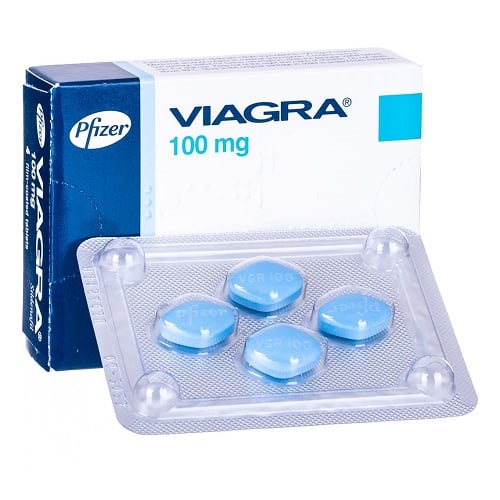
Viagra contains the active ingredient sildenafil citrate, which works by inhibiting the enzyme phosphodiesterase type 5 (PDE-5) in the corpus cavernosum of the penis. Under normal circumstances, sexual stimulation leads to the release of nitric oxide (NO), which increases concentrations of cyclic guanosine monophosphate (cGMP). Higher cGMP levels cause smooth muscle relaxation and increased blood flow, resulting in an erection. PDE-5 breaks down cGMP, ending the erection. By blocking PDE-5, Viagra allows cGMP to accumulate, enhancing and prolonging the erectile response—but only in the presence of sexual stimulation.
Simplified metaphor: Think of cGMP as a “traffic light” for blood flow. Sildenafil keeps the light green longer, allowing blood to reach the penis more easily when sexually aroused.
Key point: Viagra does not cause an erection on its own. Sexual stimulation is required for the drug to work.
Current evidence (2024–2026): Recent clinical studies confirm that PDE-5 inhibitors remain the first-line treatment for erectile dysfunction when organic or mixed causes are identified.[1][2]