Extraction, product development and manufacturing could give Jamaica a larger share of the cannabis economy. Realising that promise takes more than a recognised name and a good crop.

A harvest is one stage in a much longer business. What happens next determines whether cannabis is sold as flower, supplied as an ingredient or developed into a finished product. It also determines where the technical knowledge, commercial relationships and income accumulate.
For Jamaica, those questions reach into the heart of the industry’s ambitions. The country has an international reputation for ganja and generations of cultivation knowledge. Building more of the work that follows cultivation at home could create opportunities for manufacturers, laboratory staff, product developers and the farmers supplying them. Whether it does so depends on the quality of the products, the strength of their markets and the terms connecting the businesses involved.
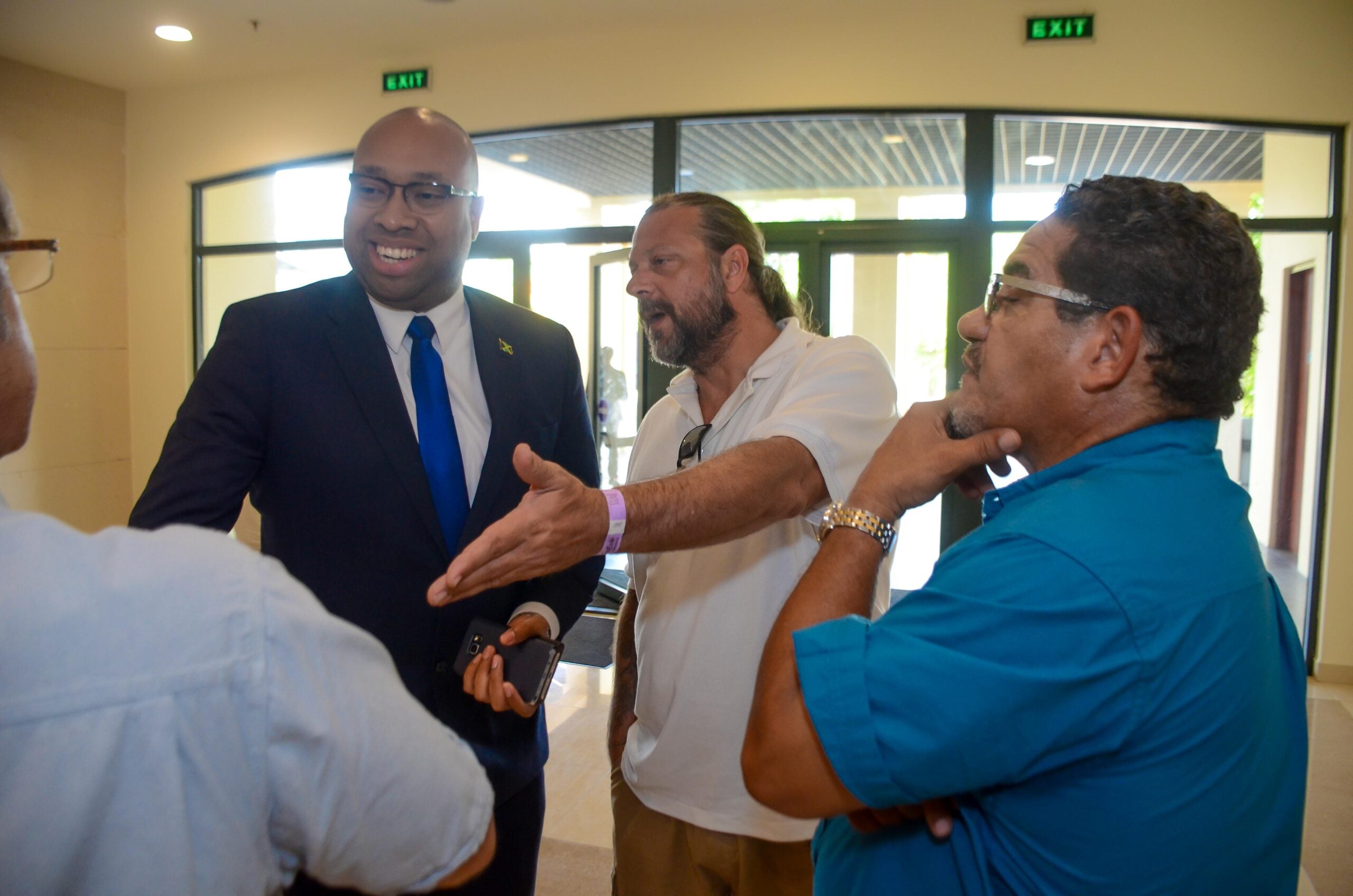
Rory Liu has approached that opportunity through processing. He says Sensi Labs regarded development and manufacturing of value-added products as central to its business from the outset. His experience offers one perspective on a question raised elsewhere in these pages: how can Jamaica retain more of the value associated with its most recognisable crop?

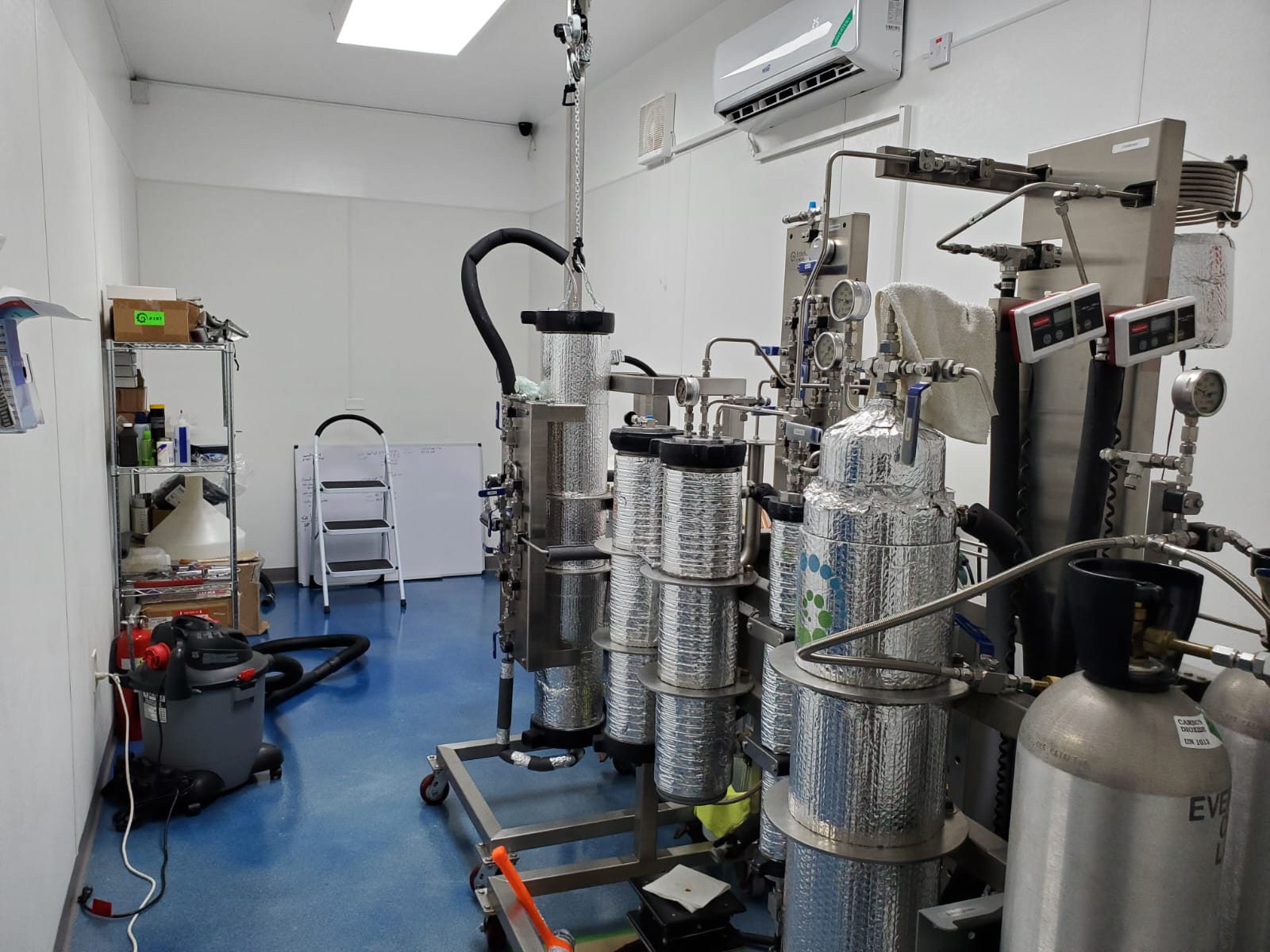
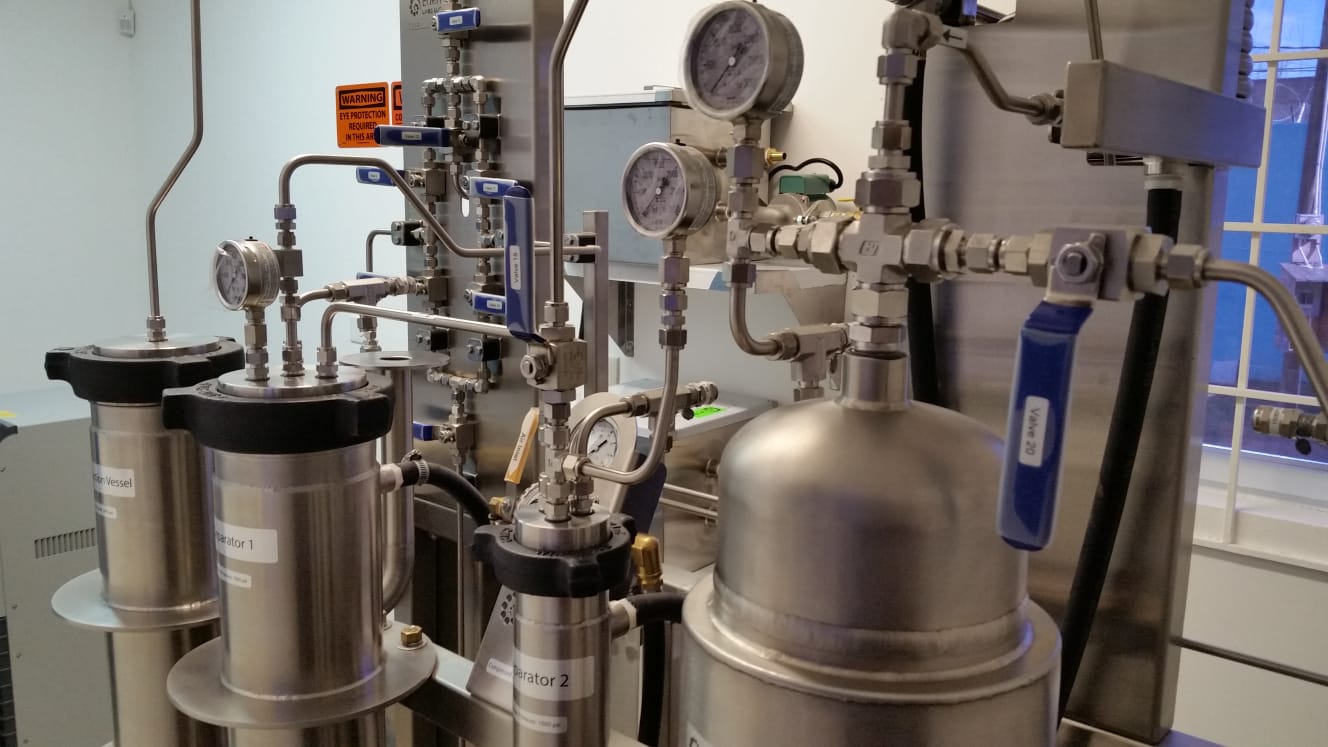
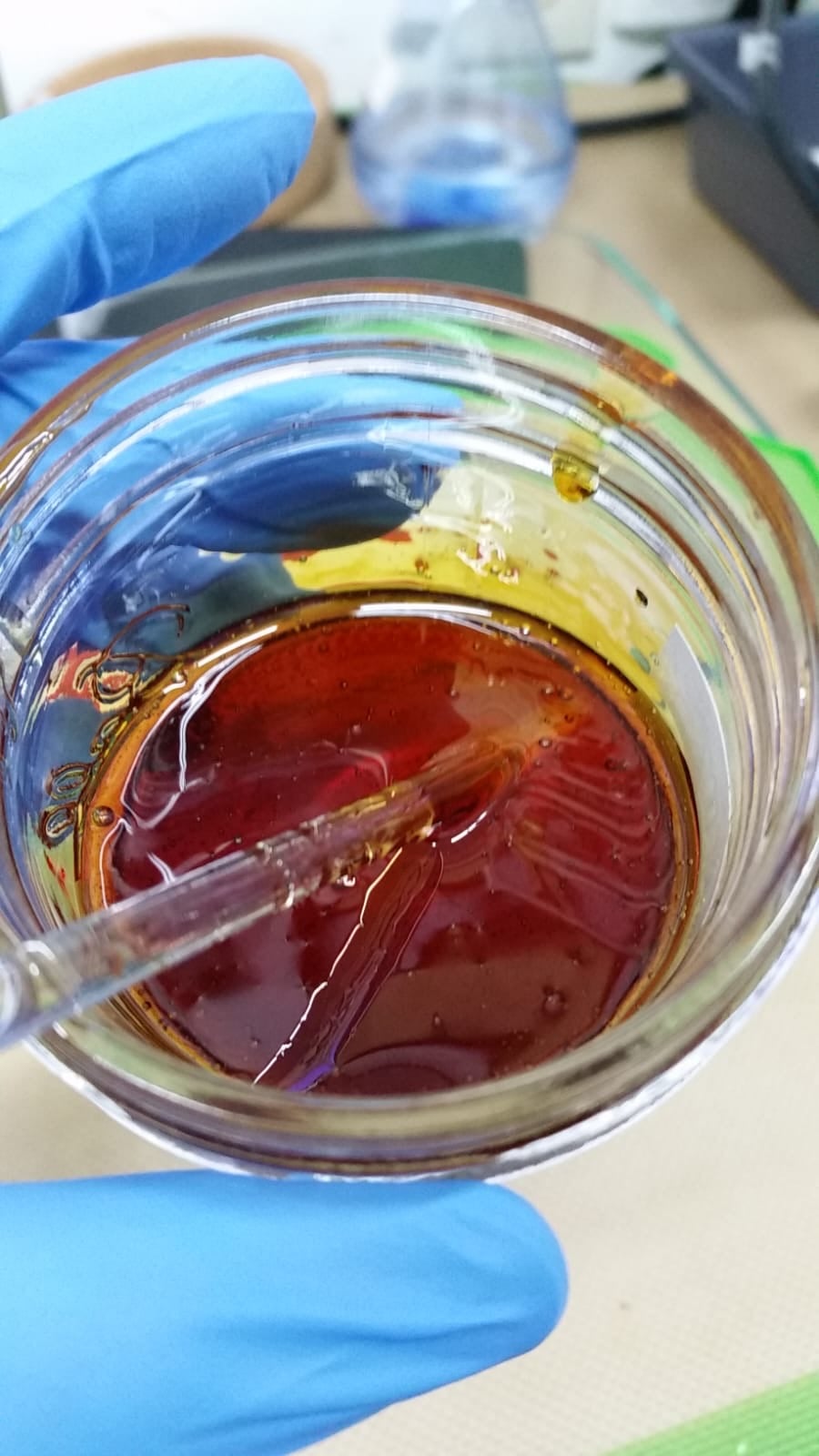
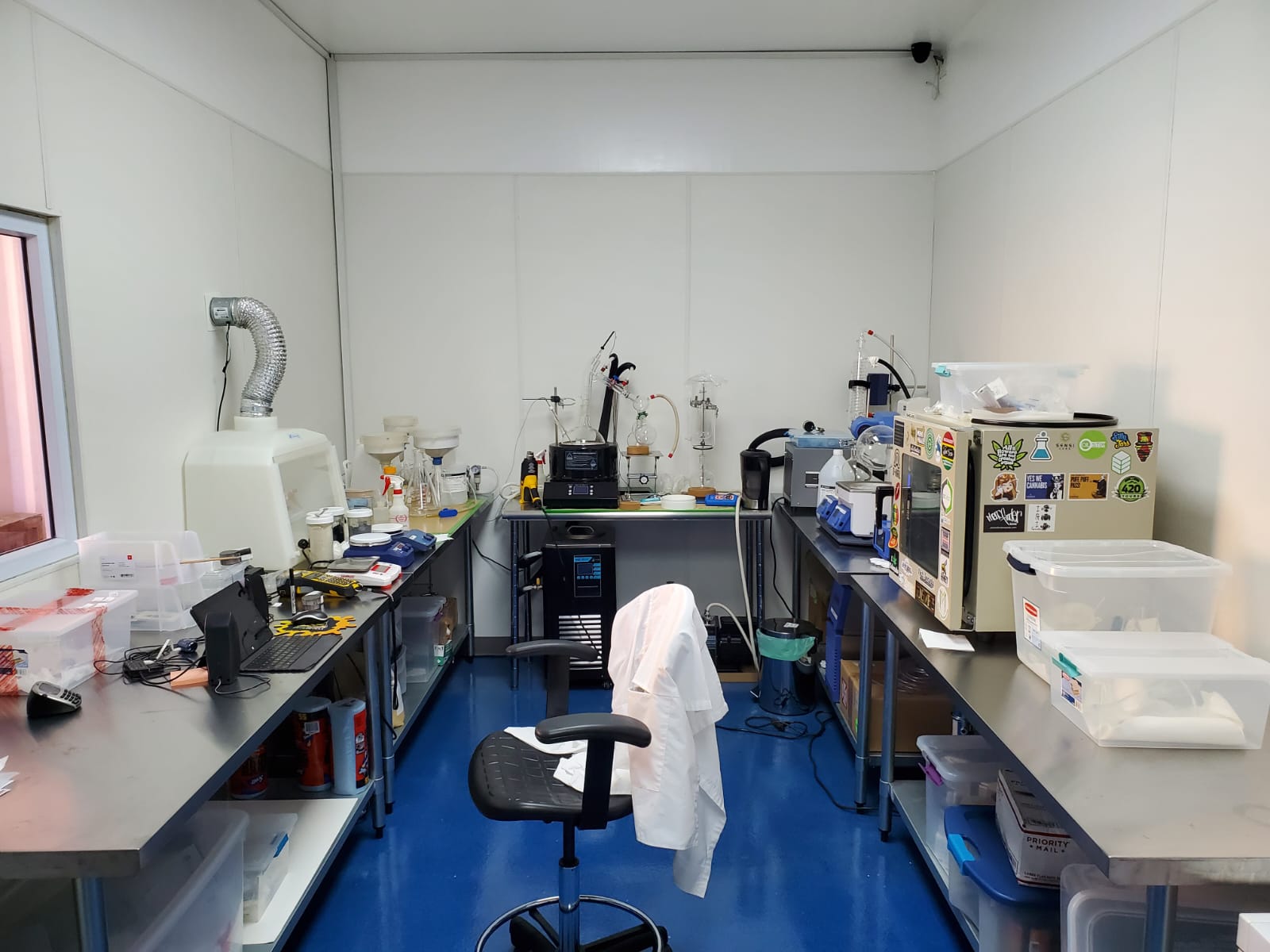
Extraction separates selected constituents from plant material. Those constituents include cannabinoids such as THC and CBD. The resulting material may become an ingredient in a further manufacturing process, rather than a finished item ready for a customer.
That distinction helps explain what the industry means by “downstream”. The work after cultivation can include extraction, formulation, testing, packaging and distribution. An extract and a bottled preparation made with that extract occupy different stages of the chain. Each brings its own costs, responsibilities and need for specialist knowledge.
There are several approaches to extraction. Some use solvents, including carbon dioxide; others rely on physical separation methods commonly described as solventless. Supercritical CO₂ is a fluid used as a solvent in extraction, so CO₂ extraction should not be confused with solventless processing. The method is part of a product’s production history, not sufficient evidence of its quality or effectiveness.
Sensi Labs provides a Jamaican example of these activities. The company describes itself as a Jamaican-owned business of Everyting Oily Labs Ltd., based in Kingston with its processing facility in Portmore, St. Catherine. It says it undertakes both solvent-based and solventless extraction, principally using supercritical CO₂. Its processing history has an independent public record: the Ministry reported the award of a medical-cannabis processing licence to the business in October 2017.
The significance extends beyond one company. Processing creates a possible bridge between agricultural production and a wider range of finished products. That bridge has to function commercially as well as technically.
In After the Green Rush, Wayne Isaacs recalls an early investment thesis centred largely on cultivation. Jamaica’s reputation, growing conditions and agricultural experience attracted attention. He does not recall equivalent expectations for complex processing and medical-grade derivative products.
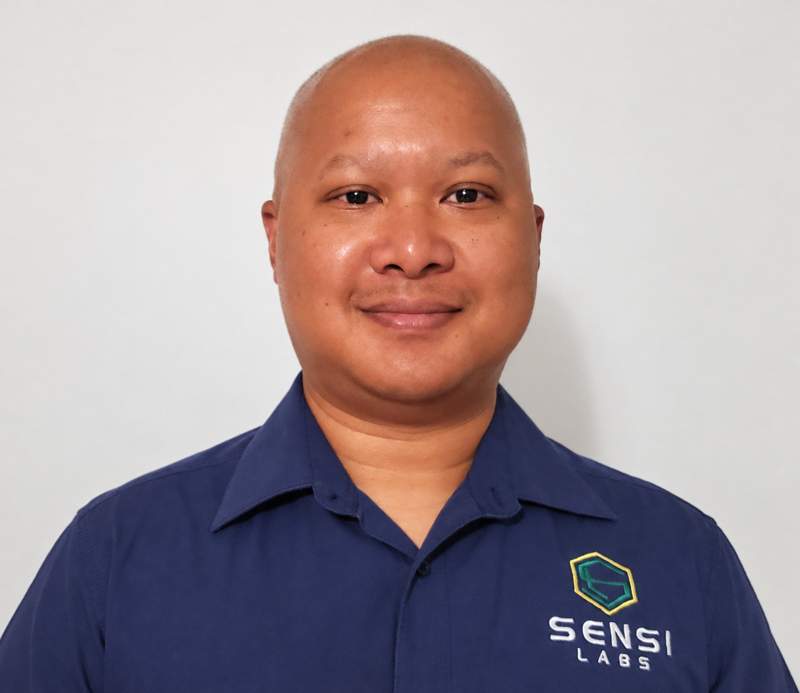
Liu’s account starts from a different premise. He saw value-added products as an important part of more developed retail markets and wanted processing and manufacturing to be part of the Jamaican opportunity. He was also sceptical about some proposed flower-export businesses, citing the standards required, logistics and price competition from established exporters.
These are assessments from two people looking at the industry through different experiences. Together, they expose a weakness in any assumption that a cultivation advantage will automatically carry a business through the rest of the supply chain.
A processor needs suitable inputs, skilled staff, reliable equipment and enough business to support its operating costs. A finished-product business adds further demands: a consistent formulation, appropriate packaging, accurate information and a route to customers. Moving further along the chain can create additional revenue opportunities, but it also introduces more work and expense.
His advice is grounded in that distinction between the scale of an ambition and evidence that a market exists.
“Be flexible and not start too big that it’s unsustainable.”Rory Liu
Downstream products bring the conversation closer to the person who will use them. An oil preparation, a topical product and a product intended for inhalation have different characteristics and uses. They cannot be assessed simply by pointing to the quality of the original crop.
Questions about cannabinoid content, contaminants, consistency and stability remain important after extraction. Packaging and information matter too: what is in the product, how is it intended to be used and does the evidence support what is being claimed?
Established regulatory systems illustrate the depth of that work. Health Canada’s good-production-practices guidance addresses cannabinoid testing, microbial and chemical contaminants, solvent residues and production records. Those are Canadian requirements, not a substitute for Jamaican rules. They show why manufacturing involves continuing quality assurance rather than a single test or a description of equipment.
The same care applies to medical language. A company’s stated focus on medical, therapeutic or research purposes does not establish that every product treats a particular condition. Clinical claims require evidence specific to the product and its proposed use.
For an emerging manufacturing sector, the ability to document and reproduce a product’s characteristics is therefore part of its commercial credibility.

The work after cultivation remains connected to the work before it. Processors depend on their supply, while growers need buyers whose requirements and purchasing arrangements they can understand.
Sensi says working with licensed local farmers forms part of its mission. That stated intention raises a broader question for the industry: what would make those relationships dependable enough to support a livelihood? The answer involves purchasing terms, payment, quality expectations and continuity of demand.
Farrah Blake’s contribution to this Guide places those outcomes alongside the ambition to develop medicinal products, manufacturing, research and innovation. Her account of traditional-grower participation extends beyond entry into the regulated system to sustainable income, reliable buyers and employment within communities.
That connection deserves attention. More processing activity in Jamaica could expand the range of work undertaken locally. Whether farmers share meaningfully in the benefit will depend on how the supply relationships are organised, rather than on the presence of a laboratory alone.

Liu wants regulatory change that encourages product development. He also points towards the domestic market and potential opportunities elsewhere in the Caribbean.
Regional interest is an outlook, not confirmation of market access. Each destination’s rules, permissions and commercial conditions have to be assessed separately. A product made in Jamaica does not acquire permission to enter another country simply because that country has a cannabis industry.
The domestic market deserves equally careful attention. What can businesses supply consistently? Which products meet a demonstrated need? What can buyers afford, and what evidence gives them confidence in what they are receiving?
Those questions connect Liu’s operational perspective with the wider ambitions described by Blake and the investment lessons recalled by Isaacs. Product development needs a workable business around it. Regulation, finance, technical capability and dependable commercial relationships all influence whether that business lasts.
Jamaica’s name can attract attention. The work after the harvest will determine how much of that attention becomes sustained demand, skilled employment and income retained here. Extraction is one part of that work. The larger opportunity lies in building the knowledge and relationships that carry a Jamaican crop through to a credible finished product.
The financing challenges are explored in From Seed to Bank.
ADVERTISEMENT
A DECADE OF CONNECTIONS

Caribbean Wellness
Conference & Expo
Summit Kingston
Kingston, Jamaica